Getting from Marrakech-Menara Airport (RAK) to Essaouira means covering roughly 190 kilometres across the plains and argan groves of central Morocco, a journey that takes between 2 hours 30 and 3 hours depending on your mode of transport and the number of stops. There is no airport, train station or direct public shuttle in Essaouira itself, so every option involves a road transfer of about three hours. The fastest and most comfortable choice is a pre-booked private transfer that collects you at the arrivals hall and drives you straight to your riad (around €80 to €130 per car). The cheapest is the Supratours or CTM intercity bus (roughly 80 to 100 MAD one way), but neither runs from the airport itself: you first have to reach the bus station in Marrakech.
That single fact catches out most first-time visitors. The airport is well connected to the city centre, but Essaouira sits on the Atlantic coast, a long way west, and the buses, grand taxis and shared shuttles that serve it depart from Marrakech city, not from the terminal. This guide lays out every realistic way to make the trip, with indicative 2026 prices, journey times, booking advice and an honest look at what the road is actually like, including the famous argan tree and goat country you will pass through on the way.
Whether you want the smoothest door-to-door ride, the cheapest seat on a coach, or the freedom of your own rental car to stop at cooperatives and viewpoints, you will find the right fit below. All fares are given as an indication and can vary with season, fuel prices, time of day and how far ahead you book.
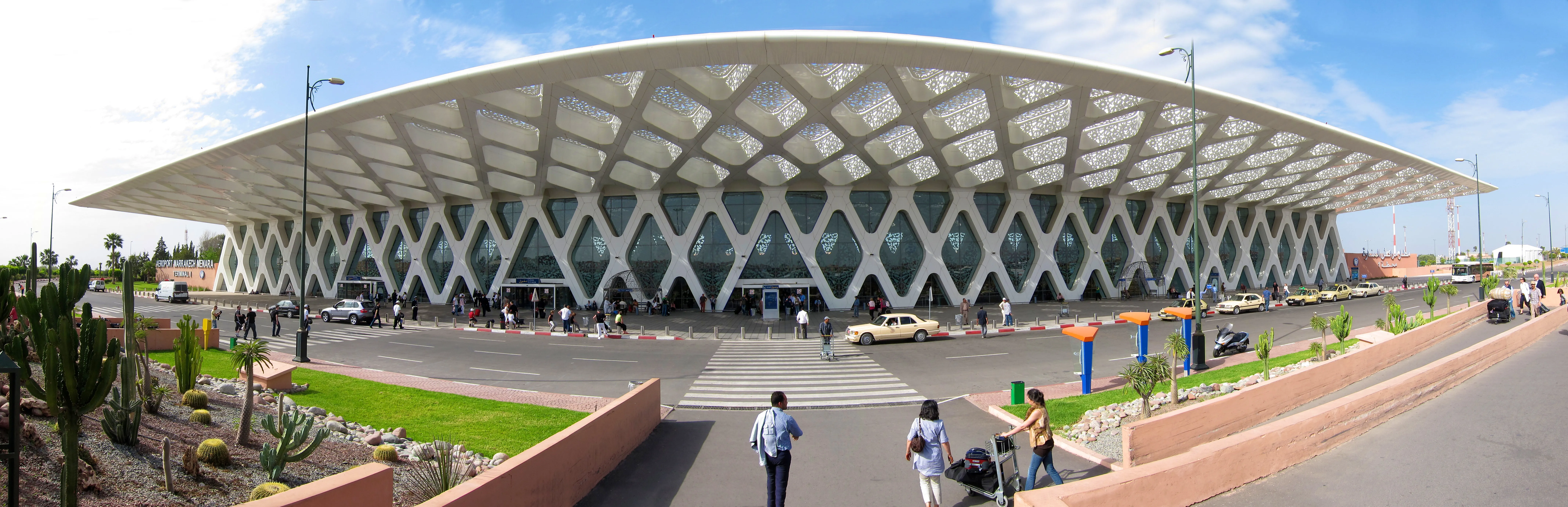
Quick answer: your options at a glance
Here is the short version before we go into detail. Prices are indicative for 2026, per car unless stated per person, and one way unless noted.
| Option | Typical time | Indicative price | Notes |
|---|---|---|---|
| Private transfer (door to door) | 2h30–2h45 | €80–€130 per car | Meet & greet at arrivals, direct to your riad, best for comfort and groups |
| Shared transfer / shuttle | 3h–3h30 | €20–€35 per person | Fixed departure times, multiple pick-ups, cheaper than private |
| Supratours bus | 3h (+ transfer to station) | 80–100 MAD per person | From Supratours station in Marrakech, not the airport; book seats ahead |
| CTM bus | 3h–3h15 (+ transfer to station) | 80–100 MAD per person | From CTM station; comfortable, reliable, luggage included |
| Grand taxi (private hire) | 2h30–2h45 | 600–900 MAD per car | Whole old Mercedes or minivan, negotiate hard, agree price first |
| Grand taxi (shared seat) | 3h+ | 70–100 MAD per seat | Six passengers per car, leaves when full, from a fixed rank |
| Rental car (self-drive) | 2h30–3h | €25–€45 per day + fuel | Total freedom to stop; easy, mostly flat road; parking outside the medina |
The rest of this guide explains each of these, in the order that suits most travellers, and finishes with a route description, a best-option-per-traveller summary and a frequently asked questions section.
Where is Essaouira, and why does the airport matter?
Essaouira is a fortified port town on the Atlantic coast, famous for its blue-and-white medina (a UNESCO World Heritage site), its windswept beach beloved of kitesurfers, its Gnaoua music festival and its calm, artistic pace. It sits about 190 km west of Marrakech by the main road, the N8 to Chichaoua and then the R207/N1 toward the coast. There is a small regional airport near Essaouira (Essaouira-Mogador), but it handles only a handful of seasonal European flights, so almost everyone arrives in the region through Marrakech-Menara (RAK), by far the busiest gateway in central Morocco.
That is why so many itineraries begin at Marrakech airport and end in Essaouira. The distance is real: this is not a quick hop like the short ride from the airport into Marrakech city centre, which takes 15 to 25 minutes. Essaouira is a genuine half-day of travel, and you should plan your arrival with that in mind. Landing late at night and hoping to reach Essaouira the same evening is possible with a private transfer but tiring; many travellers spend their first night in Marrakech and travel on the next morning, refreshed.
One more thing to anticipate, exactly as in Marrakech: no vehicle can drive right up to your accommodation inside the medina. Essaouira’s old town is largely pedestrian, ringed by ramparts and reached through a small number of gates (Bab Doukkala, Bab Marrakech, Bab Sbaa). Cars stop at car parks and drop-off points just outside the walls, and you walk the last few minutes, sometimes with the help of a porter and a cart. Keep that in mind whichever option you pick.
Option 1: Private transfer (the simplest door-to-door choice)
A pre-booked private transfer is the most straightforward way to get from the arrivals hall to Essaouira. You book online before you fly, a driver waits for you at the exit of the baggage hall holding a sign with your name, helps with your bags, and drives you directly to Essaouira with no other passengers and no intermediate stops (unless you ask for one). For a first visit, for families, for anyone arriving tired or at an awkward hour, this is the option that removes every source of friction.
Indicative price: roughly €80 to €130 per car, depending on the vehicle size and the season. A standard sedan for up to three passengers sits at the lower end; an estate car or a minivan for four to seven people costs more but is still excellent value when split across a group. Because the price is per vehicle, not per person, a family of four or a group of six often pays little more per head than a bus ticket, while gaining hours of comfort.
Journey time: about 2 hours 30 to 2 hours 45 non-stop. A good driver knows the road well and keeps a steady pace.
How to book: reserve in advance through a transfer company, your riad (many Essaouira riads arrange trusted drivers), or an online marketplace. Confirm in writing the total price, the vehicle type, whether it covers all passengers and luggage, and the meeting point (usually just outside the arrivals doors). A reputable operator will track your flight, so a delay does not cost you the car.
Why choose it: meet-and-greet service, fixed price agreed in advance, no negotiation on arrival, air conditioning, child seats on request, and the freedom to add a photo stop in the argan country for a modest supplement. The downside is simply cost: it is the most expensive option for a solo traveller, though still reasonable for two or more.
Option 2: Shared transfer or shuttle (the middle ground)
A shared transfer splits the difference between private comfort and bus economy. You book a seat rather than the whole vehicle, and travel in a minivan with other passengers heading to Essaouira, often with a hotel or riad pick-up at each end. Some operators run scheduled shuttle departures from Marrakech; a few can coordinate an airport pick-up if your flight time matches.
Indicative price: around €20 to €35 per person one way, which makes it noticeably cheaper than a private car for solo travellers and couples.
Journey time: about 3 hours to 3 hours 30, a little longer than a private car because the van collects and drops several passengers.
How it works: you reserve online, give your flight or hotel details, and the operator confirms a pick-up window. Because departures are fixed and shared, you have less flexibility than with a private transfer, and if your flight lands at an odd hour you may need to overnight in Marrakech first and join a morning shuttle. Always confirm whether the quoted price includes airport pick-up or only a city-centre departure point, since the two are often sold separately.
Why choose it: a good balance of price and convenience, luggage handled, no driving, and someone else navigating the medina drop-off. The trade-off is the shared schedule and the extra stops.
Option 3: Supratours bus (comfortable, cheap, reliable)
For budget travellers, the Supratours coach is the classic way to reach Essaouira, and deservedly popular. Supratours is the road-transport arm of Morocco’s national railway (ONCF), and its Marrakech–Essaouira line is one of the busiest tourist routes in the country, with several departures a day on modern, air-conditioned coaches.
The crucial point: Supratours does not depart from the airport. Its Marrakech terminal sits beside the main train station (Gare de Marrakech) on Avenue Hassan II, in the Guéliz district. So your journey has two legs:
- Airport to the Supratours station in Marrakech: a short petit-taxi ride (roughly 70–150 MAD depending on the hour) or the airport bus into town. This is the same first leg described in our Marrakech airport practical guide.
- Supratours station to Essaouira: the coach itself, about 3 hours.
Indicative price: roughly 80 to 100 MAD per person one way for the bus ticket. Luggage placed in the hold is usually charged a few dirhams extra per bag, paid at the counter.
Booking: you can buy tickets at the station counter, but on this popular route seats sell out in high season, so it is wise to reserve ahead online through the official ONCF / Supratours website. Book a day or two before you travel, especially in summer, at Easter and during the Gnaoua Festival in June.
Why choose it: cheapest comfortable option, reliable timetable, assigned seats, and a drop-off at the Supratours office just outside Essaouira’s Bab Marrakech gate, only a short walk from most medina riads. The catch is the extra step of getting from the airport to the station, plus the fixed departure times, which do not always align with a late-night arrival.
Option 4: CTM bus (the other national coach line)
CTM is Morocco’s long-established private intercity bus company, and it also serves the Marrakech–Essaouira route with comfortable, air-conditioned coaches. In practice CTM and Supratours are very similar in price, comfort and journey time; the choice usually comes down to which departure time suits you.
As with Supratours, CTM does not leave from the airport. Its Marrakech terminal is on the edge of the city (near the main road out toward the coast), so you again need a short taxi or airport-bus leg to reach it first.
Indicative price: roughly 80 to 100 MAD per person one way, with a small luggage fee.
Journey time: about 3 hours to 3 hours 15, with a possible brief comfort stop en route.
Booking: tickets are available at CTM counters and online via the official CTM website. Reserving ahead is sensible in peak season. CTM is known for punctuality, clear timetables, numbered seats and printed tickets, which some travellers prefer.
Why choose it: the same budget-friendly, reliable coach experience as Supratours, sometimes with a departure time that fits your plans better. The same caveats apply: you must reach the city terminal first, and the schedule is fixed.
Option 5: Grand taxi (the shared or private long-distance taxi)
The grand taxi is Morocco’s traditional long-distance shared taxi, usually an old Mercedes sedan or, increasingly, a minivan. There are two ways to use one for Essaouira, and it is important not to confuse them with the small city petit taxis that cannot legally leave the Marrakech urban area.
Shared grand taxi (per seat): these leave from a fixed grand-taxi rank in Marrakech (commonly near Bab Doukkala) and depart only when all six seats are full. A seat costs around 70 to 100 MAD. It is cheap and authentically local, but the cars are cramped (three passengers on the back seat, two sharing the front), there is no air conditioning to rely on, and you wait until the taxi fills. This is a budget adventurer’s option, not a comfort one.
Private grand taxi (whole car): you can also hire the entire vehicle for yourself by buying all the seats. Expect to negotiate roughly 600 to 900 MAD for the whole car to Essaouira, depending on season, vehicle and your bargaining. This gives you a direct, door-to-door-ish ride at a mid-range price, comparable to a shared transfer for a group.
Key rule: agree the full price out loud before the car moves, and confirm whether it is per seat or for the whole vehicle and whether luggage is included. Grand-taxi pricing is negotiable and unmetered, so misunderstandings are common. As with the buses, grand taxis for Essaouira generally leave from the city, not the airport, so you first reach the rank by petit taxi or airport bus.
Why choose it: cheap (shared) or flexible and reasonably priced (private hire), and a genuinely Moroccan way to travel. The downsides are comfort, the wait for a shared car to fill, and the negotiation involved.
Option 6: Rental car (freedom to explore the road)
Picking up a rental car at Marrakech airport and driving yourself to Essaouira is a rewarding choice if you are comfortable on foreign roads and want to stop along the way. Car-hire desks sit right in the terminal, and the drive is one of the easier ones in Morocco: a mostly flat, well-surfaced main road with light traffic once you clear the Marrakech ring.
Indicative price: from about €25 to €45 per day for a small car, less per day on longer rentals, plus fuel (budget roughly €20 to €30 of diesel or petrol for the round trip). Check whether the quote includes full insurance and unlimited mileage.
Journey time: about 2 hours 30 to 3 hours driving, plus whatever stops you make.
The drive: leave the airport, follow signs for Essaouira / the N8 toward Chichaoua, then continue west on the well-signed coastal road. It is a single main road for most of the way, hard to get lost on. There are no motorway tolls on this route. Fill up with fuel before leaving Marrakech or at Chichaoua, as stations thin out in between.
Parking in Essaouira: you cannot drive into the medina. Use one of the guarded car parks just outside the walls (near Bab Marrakech or by the port), where an attendant watches the car for a daily fee. Confirm parking arrangements with your riad in advance.
Why choose it: total freedom to stop at argan cooperatives, roadside viewpoints and the tree-climbing goats, and to explore Essaouira’s coast at your own pace afterwards. The trade-offs are the responsibility of driving, navigating unfamiliar roads and Moroccan driving styles, and sorting out parking at both ends.
The route and its stops: what you will see
Whichever mode you choose, the road itself is part of the experience. Leaving Marrakech, you cross the Haouz plain, a wide, dry landscape framed by the distant Atlas Mountains to the south. The first town of note is Chichaoua, about a third of the way, a natural place for a fuel or comfort stop and known for its rugs.
Beyond Chichaoua the scenery changes as you enter argan country. The argan tree grows almost nowhere else on earth, and its nuts yield the prized argan oil used in cooking and cosmetics. Here you will find women’s cooperatives by the roadside where you can watch the oil being pressed by hand and buy it at the source; a stop here is a highlight of the private-transfer and self-drive options (buses and shared taxis do not stop for this).
This stretch is also where you may spot the region’s most photographed curiosity: goats standing in the branches of argan trees, browsing on the fruit. Some roadside spots are genuine and some are staged for tips, so treat photo opportunities with a little scepticism and never feel obliged to pay a large sum for a picture.
The final approach brings a change in the air and the light as you near the Atlantic. The land flattens, the wind picks up, and eucalyptus and thuya woods appear near Ounagha before Essaouira’s white ramparts come into view against the sea. Total driving time end to end is the 2h30–3h noted throughout this guide.
Best option for each type of traveller
- Families with children: a private transfer. Door-to-door service, child seats on request, no negotiation and no waiting make the long ride far easier with kids.
- Couples wanting comfort without the private price: a shared transfer or a private grand taxi split between you, both a sensible middle ground.
- Solo budget travellers: the Supratours or CTM bus, reaching the station from the airport by petit taxi or airport bus. Cheapest comfortable option by far.
- Groups of four to seven: a private transfer minivan or a private grand taxi, since the per-vehicle price divides beautifully across the group.
- Independent explorers who want to stop: a rental car, for the freedom of the argan road, the cooperatives and the coast beyond Essaouira.
- Late-night arrivals: a private transfer if you must travel on immediately; otherwise, overnight in Marrakech and take a morning bus or shuttle, which is what most seasoned visitors do.
If your plan is instead to spend time in Marrakech first, start with our home page of airport and transport guides to sort out the short hop into the city, then arrange your Essaouira leg for a later day.
A few practical tips before you go
- Book popular options ahead. Supratours, CTM and shared shuttles fill up in high season, at Easter, over summer and during the Gnaoua World Music Festival in June. Reserve a day or two in advance.
- Carry small cash in dirhams. Bus luggage fees, grand-taxi fares and car-park attendants all expect cash, and card payment is rare outside formal offices.
- Agree every price in advance. For taxis and private hires, confirm the total, the currency and what is included before you set off. This is the single best way to avoid surprises.
- Time your arrival realistically. With a roughly three-hour transfer at the far end, a late landing plus the drive makes for a long day. An overnight in Marrakech is often the calmer plan.
- Anticipate the medina walk. No car reaches your riad door in Essaouira; expect a short walk through the pedestrian old town, and arrange a porter if you have heavy bags.
- Keep your phone charged and a map downloaded if you are self-driving, though the route is simple and well signed.
Frequently asked questions
How far is Essaouira from Marrakech airport, and how long does it take? About 190 kilometres, roughly a 2 hour 30 to 3 hour road journey depending on your transport and stops. There is no faster way; every option is a road transfer of a similar length.
Is there a direct bus from Marrakech airport to Essaouira? No. Neither Supratours nor CTM departs from the airport. Both leave from stations in Marrakech city, so you first take a short petit-taxi ride or the airport bus into town, then board the coach to Essaouira.
What is the cheapest way to get from Marrakech airport to Essaouira? The Supratours or CTM bus, at roughly 80 to 100 MAD per person, plus the small cost of reaching the station. A shared grand-taxi seat (70–100 MAD) is similarly cheap but less comfortable and leaves only when full.
What is the most comfortable option? A pre-booked private transfer (around €80–€130 per car). It offers meet-and-greet at arrivals, a direct non-stop drive, air conditioning and no negotiation, which is ideal for families and groups.
Can I do a day trip from Marrakech to Essaouira? Yes, many people do, but remember it is about three hours each way, so a day trip means around six hours on the road. To enjoy Essaouira properly, an overnight stay is far more rewarding than a rushed day return.
Is the drive to Essaouira difficult if I rent a car? No. It is one of Morocco’s easier drives: a mostly flat, well-signed single main road with no motorway tolls and light traffic. Fill up with fuel in Marrakech or Chichaoua, and use a guarded car park outside the medina in Essaouira, since you cannot drive into the old town.
Do I need to book transfers in advance? For private and shared transfers, yes, so a driver is waiting when you land. For buses, booking a day or two ahead is strongly advised in high season, as seats sell out. Grand taxis are arranged on the spot at their rank.
Will my transfer drop me at my riad door in Essaouira? Almost never right at the door, because the medina is pedestrian. Cars stop at car parks or drop-off points just outside the ramparts (near Bab Marrakech or Bab Doukkala), and you walk the last few minutes, with a porter if needed.
All prices, times and details in this guide are given as an indication for 2026 and can change with season, fuel costs, demand and how far ahead you book. This is an independent guide and is not affiliated with any airport authority, bus company or transfer operator. Always confirm current fares and timetables directly with the provider before you travel.